


EZESPDR3P
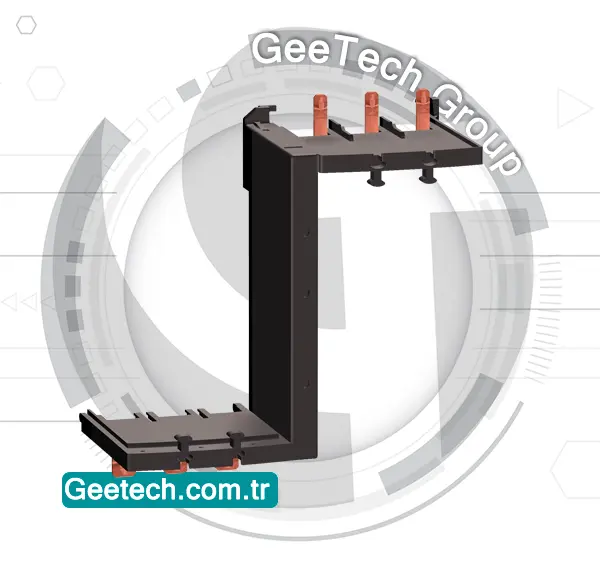
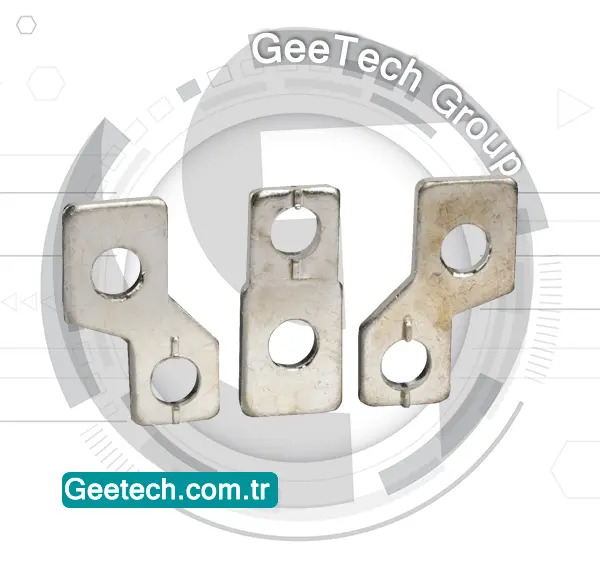
pitch spreader – 3 poles – for EZC250, EZCV250 – set of 3
- Stock status:
- Call for availability
- Manufacturer:
- Schneider
- Product code:
- EZESPDR3P
Main documents
Related products
| Product or component type | Spreader |
|---|---|
| Accessory / separate part category | Connection accessory |
| Range compatibility | EasyPact EZC circuit breaker EasyPact EZCV circuit breaker |
| Poles description | 3P |
| Quantity per set | Set of 3 |
| performance level | N F H |
| [In] rated current | 250 A |
|---|---|
| Connection pitch | 45 mm |
| Unit Type of Package 1 | PCE |
|---|---|
| Number of Units in Package 1 | 1 |
| Package 1 Height | 1.5 cm |
| Package 1 Width | 5.5 cm |
| Package 1 Length | 5.5 cm |
| Package 1 Weight | 125 g |
| Unit Type of Package 2 | S01 |
| Number of Units in Package 2 | 20 |
| Package 2 Height | 15 cm |
| Package 2 Width | 15 cm |
| Package 2 Length | 40 cm |
| Package 2 Weight | 2.708 kg |
Product Description
EZESPDR3P
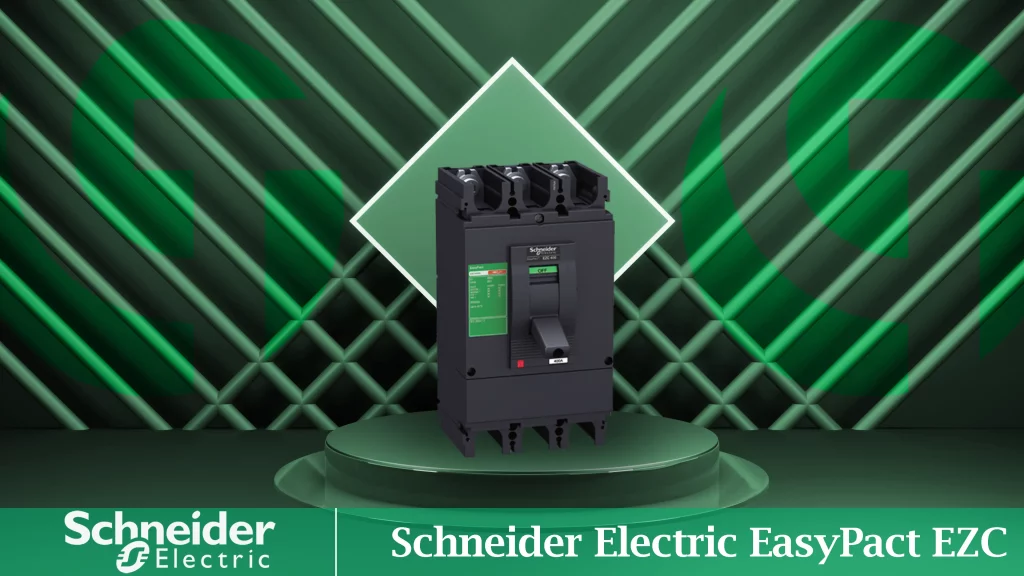
The Schneider Electric EZESPDR3P is a 3-pole pitch spreader designed for use with EasyPact EZC 250 and EZCV 250 circuit breakers. This accessory set of 3 spreaders increases the connection pitch between the poles from 35 mm to 45 mm, allowing for easier installation and enhanced accessibility. It is suitable for rated currents up to 250 A and ensures reliable separation of poles for safe and efficient operation.
Key Specifications:
Product Type: Spreader
Accessory Category: Connection accessory
Compatible With: EasyPact EZC 250, EZCV 250 circuit breakers
Poles: 3P
Quantity per Set: 3
Rated Current: 250 A
Connection Pitch: 45 mm
Performance Levels: N, F, H
Applications:
Increasing pole spacing in 3-pole circuit breakers
Facilitating wiring and maintenance in electrical panels
Ensuring safe installation and operation at rated current
Product Summary:
The Schneider Electric EZESPDR3P Pitch Spreader provides a simple and effective solution to expand pole spacing in EasyPact EZC/EZCV 250 circuit breakers, improving accessibility and safety during installation and operation.

Frequently Asked Questions
What does a switch disconnector do?
✅A switch disconnector, known as a disconnector switch or isolator switch, plays a crucial role in safely isolating power from electrical equipment during maintenance. This essential component not only ensures safety but also effectively breaks electrical circuits within large distribution systems.
What is the difference between a switch and a disconnector?
✅A switch serves as a vital control device, capable of supplying and interrupting the current flow required by consumers or control circuits throughout an appliance's lifespan. Meanwhile, a disconnector acts as a crucial safety feature, isolating the power supply to render the device inert for interlocking or maintenance purposes.
Can a switch disconnector trip?
✅A disconnector requires manual operation to cut power, ensuring circuit safety during maintenance but lacking overload protection. In contrast, a circuit breaker serves as a protective device, capable of thermally or magnetically tripping to safeguard circuits from overloads.
What is a switch disconnector fuse?
✅The switch disconnector is a widely used distribution equipment in factories, offering manual circuit switching, breaking, and power isolation capabilities. Additionally, the fuse switch disconnector provides effective short-circuit and overload protection for cables and power equipment within distribution systems.
Is a disconnect switch required?
✅Apart from adhering to IEC standards, compliance with the National Electric Code (NEC) requires the inclusion of a disconnect switch. According to this code, all large and permanently wired equipment must feature a disconnecting means within visible range.
What is the difference between switch disconnector and MCCB?
✅In simple terms, a switch toggles power on and off, while a circuit breaker interrupts the circuit during overload or faults. Switches control power, whereas breakers manage circuit interruptions. Recognizing these distinctions is vital for grasping their safety and utility.


Reviews
There are no reviews yet.